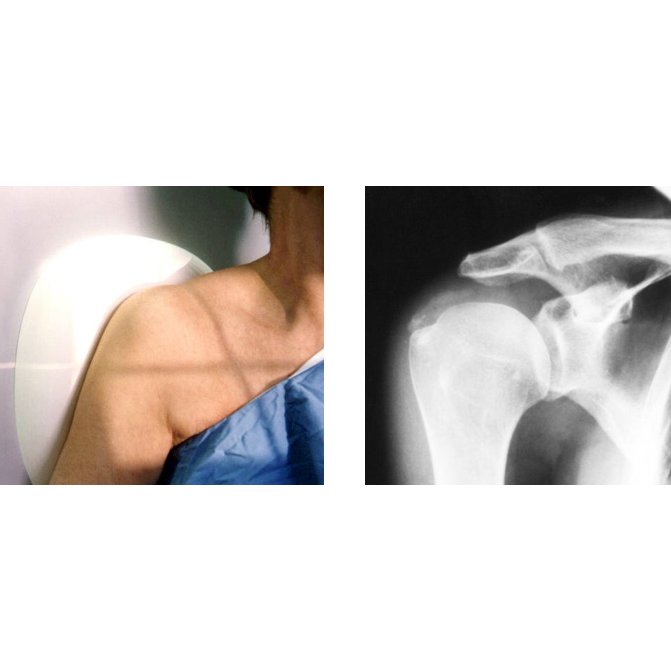
20 Information about Medical Imaging Technology terms
My name is Anis, I'm a student at College Ahuntsic. My program is called Medical Imaging technology. I'm at my second year, just one year of internship remaining to get my diploma and start working.
In order to help new students and the public to better understand this specialty, I decided to create this Glossary to explain some of the frequently used terms.
this Glossary contains 20 different terms. Many resources and features are used to make it easy to understand, such as, pronunciation, pictures, translation in French and links to some articles for further explanation.
the resources I used to compile this glossary are mainly taken from the internet especially from Wikipedia's website and Google browser.
The list of terms in this glossary were chosen based on their frequency and accuracy. This list is just a start, I will add more terms soon after I get your feedbacks.
I expect readers to share their experience when they visit this glossary. Inputs, and remarks are highly appreciated.
anatomy
noun
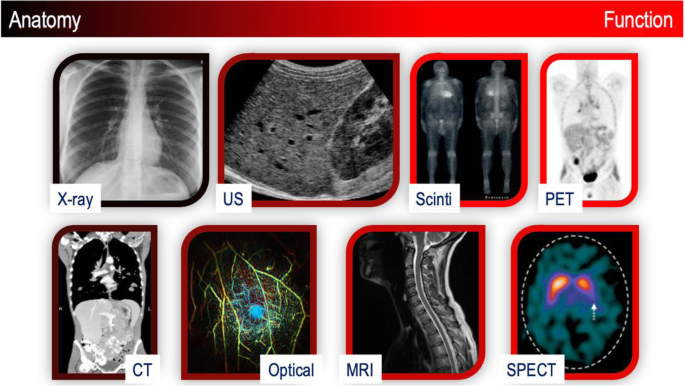
anatomy, a field in the biological sciences concerned with the identification and description of the body structures of living things. Gross anatomy involves the study of major body structures by dissection and observation and in its narrowest sense is concerned only with the human body. “Gross anatomy” customarily refers to the study of those body structures large enough to be examined without the help of magnifying devices, while microscopic anatomy is concerned with the study of structural units small enough to be seen only with a light microscope. Dissection is basic to all anatomical research. The earliest record of its use was made by the Greeks, and Theophrastus called dissection “anatomy,” from ana temnein, meaning “to cut up.”
Example: This goes some way to proving the theory that Neanderthals evolved to survive in cold and extreme climates (other evidence to support this includes their highly effective nasal system thought to regulate temperature) and is reflected in their ANATOMY (Walker and Shipman 1996: 151) .
fr: anatomie
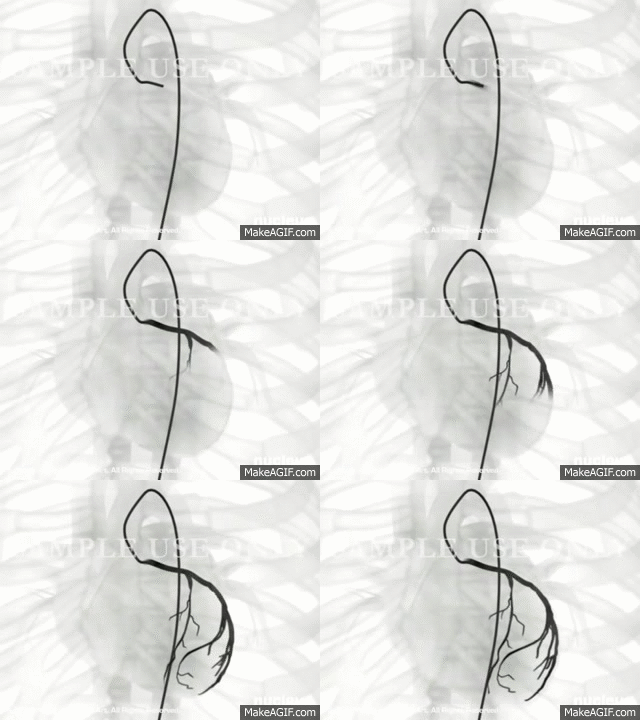
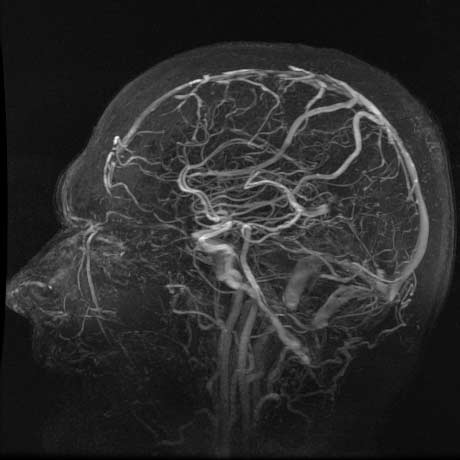
angiography
noun
examination by X-ray of blood or lymph vessels, carried out after introduction of a radiopaque substance.
Example: Investigations for suspected PE: Presence of D-Dimer in blood - no specific for PE but if absent excludes PE as a differential V-Q perfusion scan - to assess ventilation perfusion mismatch CT pulmonary ANGIOGRAPHY - to assess blood flow throughout lungs Pneumothorax - Pneumothorax can occur spontaneously or as a result of trauma.
fr: angiographie
bone densitometry
noun
Example: Bone densitometry is used primarily to diagnose osteoporosis and to determine fracture risk.
fr: La densitométrie osseuse
C arm
noun
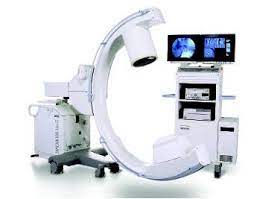
A C-arm is an imaging scanner intensifier.
The name derives from the C-shaped arm used to connect the x-ray source and x-ray detector to one another. C-arms have radiographic capabilities, though they are used primarily for fluoroscopic intraoperative imaging during surgical, orthopedic and emergency care procedures.
Example: Siemens Healthineers has a broad lineup of Mobile C-arms that combine excellent image quality with unique features designed for easy operability, versatility and efficiency. Straightforward functions and excellent ergonomics greatly enhance ease of use while simplifying overall clinical workflow in many fields of practice.
fr: Bras en C
computed tomography
noun
Computed tomography (CT) is a diagnostic imaging test used to create detailed images of internal organs, bones, soft tissue and blood vessels. The cross-sectional images generated during a CT scan can be reformatted in multiple planes, and can even generate three-dimensional images which can be viewed on a computer monitor, printed on film or transferred to electronic media. CT scanning is often the best method for detecting many different cancers since the images allow your doctor to confirm the presence of a tumor and determine its size and location. CT is fast, painless, noninvasive and accurate. In emergency cases, it can reveal internal injuries and bleeding quickly enough to help save lives.
Example: Future directions for detection of coronary reperfusion after thrombolytic therapy Coronary echocardiography, Magnetic resonance imaging (MRI), Cardiac COMPUTED TOMOGRAPHY scanner (CT) and transthoracic Doppler echocardiography (TTDE) are just some of the emerging techniques used by clinicians to accurately evaluate IRA patency, providing information on coronary reperfusion.
fr: tomodensitométrie par ordinateur
contrast agent
noun
A contrast agent (or contrast medium) is a substance used to increase the contrast of structures or fluids within the body in medical imaging.
Example: Contrast materials, also known as contrast agents and contrast media are used to improve the diagnostic value of those imaging exams.
fr: agent de contraste
Diagnosis
noun
un, plural di·ag·no·ses [dahy-uhg-noh-seez].
Medicine/Medical.
the process of determining by examination the nature and circumstances of a diseased condition.
the decision reached from such an examination. Abbreviation: Dx
Biology. scientific determination; a description that classifies a group or taxon precisely.
a determining or analysis of the cause or nature of a problem or situation.
an answer or solution to a problematic situation.
Example: They are: Freedom from hunger & thirst -access to fresh water and diet to maintain health and vigour Freedom from discomfort -provide appropriate environment including shelter and rest area Freedom from pain, injury & disease -prevention or rapid DIAGNOSIS and treatment Freedom to express normal behaviour -provide sufficient space, facilities & company of animal's own kind Freedom from fear & disease -ensure conditions and treatment to avoid mental suffering Using these as ideal welfare standards I conclude battery hen systems provide poor welfare only meeting the first freedom properly.
fr: Diagnostic
exposure
noun
the act of exposing, laying open, or uncovering:
the sudden exposure of objects that were hidden under the blanket.
the fact or state of being exposed:
A bandage will avoid exposure of the wound.
disclosure, as of something private or secret:
the exposure of their invasion plans.
an act or instance of revealing or unmasking, as an impostor, crime, or fraud:
the exposure of graft and corruption.
presentation to view, especially in an open or public manner:
His exposure of his anger shocked the company.
indecent exposure:
The suspect was arrested for exposure in public.
Example: Cancer is caused by mutations in tumour suppressor genes, oncogenes and DNA repair genes due to EXPOSURE to environmental mutagens. Oncogenes are activated to cause cancer due to EXPOSURE to viruses or point mutations in the gene.
fr: exposition
fluoroscopy
noun
Fluoroscopy is a type of imaging procedure that uses several pulses of an X-ray beam to take real-time footage of tissues inside your body. Healthcare providers use fluoroscopy to help monitor and diagnose certain conditions and as imaging guidance for certain procedures.
Example: Fluoroscopy is a medical procedure that makes a real-time video of the movements inside a part of the body by passing x-rays through the body over a period of time. X-rays are a form of ionizing radiation.
fr: fluoroscopie
instrument
noun
noun
a mechanical tool or implement, especially one used for delicate or precision work:
surgical instruments.
a contrivance or apparatus for producing musical sounds:
a stringed instrument.
a means by which something is effected or done; agency:
an instrument of government.
a device for measuring the present value of a quantity under observation.
Example: Figure 3: Stylus tip on a sinusoidal surface We can use Pythagoras' theorem and the numbers shown in the diagram to calculate one half of the wavelength and therefore one whole wavelength: We can work out the frequency using equation C and taking the horizontal speed as 0.0005ms -1 (which is a typical speed for this kind of INSTRUMENT): A suitable resonant frequency for the system is therefore about 7900 rads -1 .
fr: instrument
internal structures
noun
Internal structures are the inner pieces and parts that keep organisms alive, help them grow, and help them reproduce. The internal structures of an animal are different than the internal structures of a plant
Example: Alternatively, the exogenous hypothesis states that motility symbioses gave rise to cells with undulipodia, and this acquisition subsequently led to the INTERNAL STRUCTURES involved in 8 .
fr: structures internes
ionizing radiation
noun
radiation consisting of particles, X-rays, or gamma rays with sufficient energy to cause ionization in the medium through which it passes.
Example: People are exposed to natural sources of ionizing radiation, such as in soil, water, and vegetation, as well as in human-made sources, such as x-rays and medical devices.
fr: rayonnement ionisant
lead aprons
noun
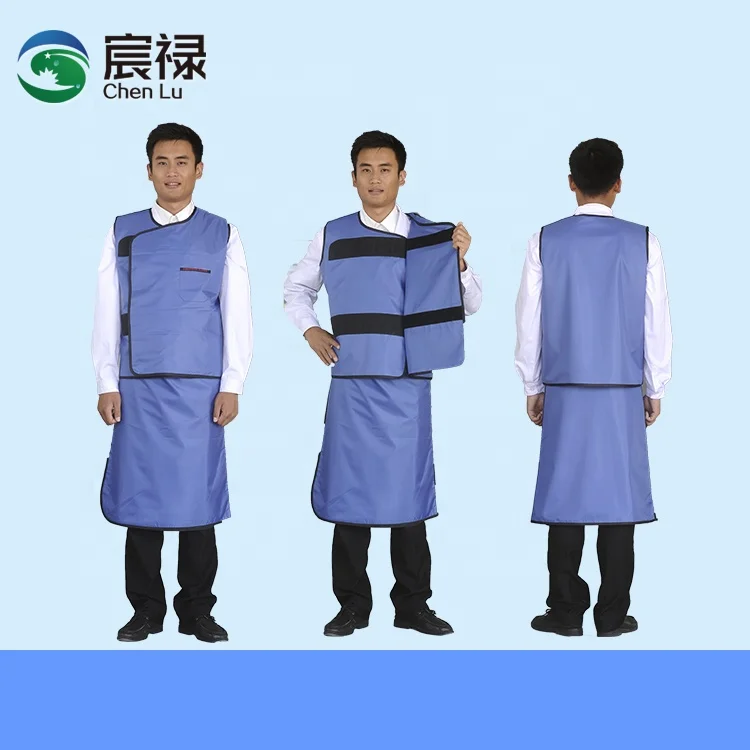
Example: Lead aprons are used in medical facilities to protect workers and patients from unnecessary x-ray radiation exposure from diagnostic radiology procedures. A lead (or lead equivalent) apron is a protective garment which is designed to shield the body from harmful radiation, usually in the context of medical imaging.
fr: tabliers de plomb
magnetic
noun
exhibiting or relating to magnetism.
"the clock has a magnetic back to stick to the fridge"
Example: The intrinsic spin is perturbed using a MAGNETIC field and then a resonant field is applied usually in the form of the MAGNETIC component of radio frequency electroMAGNETIC radiation. This mobility and resonance can be detected using the principle of electroMAGNETIC induction.
fr: magnétique
mammography
noun
a technique using X-rays to diagnose and locate tumors of the breasts.
Example: For example, a new study indicates that MRI (71%) is more sensitive than MAMMOGRAPHY (40%) for detecting cancers in women with inherited susceptibility (40).
fr: mammographie
pathology
noun
noun
the science of the causes and effects of diseases, especially the branch of medicine that deals with the laboratory examination of samples of body tissue for diagnostic or forensic purposes.
"research people skilled in experimental pathology"
MEDICINE
pathological features considered collectively; the typical behavior of a disease.
"the pathology of Huntington's disease"
MEDICINE
a pathological condition.
"the dominant pathology is multiple sclerosis"
Example: Exclusion criteria: Serious ill-health or PATHOLOGY Recent surgery Pregnancy Diagnosis of clinical depression or other psychiatric PATHOLOGY (Buckeldee and McMahon, 1994; Bury and Mead, 1998; Sim and Wright, 2000).
fr: pathologie
radiation dosimeter
noun
A radiation dosimeter is a device that measures dose uptake of external ionizing radiation. It is worn by the person being monitored when used as a personal dosimeter, and is a record of the radiation dose received. Modern electronic personal dosimeters can give a continuous readout of cumulative dose and current dose rate, and can warn the wearer with an audible alarm when a specified dose rate or a cumulative dose is exceeded. Other dosimeters, such as thermoluminescent or film types, require processing after use to reveal the cumulative dose received, and cannot give a current indication of dose while being worn.
Example: Whole body dosimeter (includes head/collar dosimeter), extremity dosimeter, neutron dosimeter, electronic personal dosimeter (EPD)
fr: dosimètre de rayonnement
radiation protection
noun
Protection against the harmful effects of radiation.
Example: The Radiation Protection Bureau is responsible for delivering Health Canada’s environmental and occupational radiation protection program.
fr: protection contre les radiations
ultrasonography
noun
a technique using echoes of ultrasound pulses to delineate objects or areas of different density in the body.
Example: CT- Often more useful than ULTRASONOGRAPHY, and may show thickened loops of small intestine.
fr: échographie
x ray filter
noun
An X-ray filter is a material placed in front of an X-ray source in order to reduce the intensity of particular wavelengths from its spectrum and selectively alter the distribution of X-ray wavelengths within a given beam.
Example: To determine a suitable combination of X-ray filter and tube kilovoltage for Fuji Computed Radiography (FCR), to provide better detection of pulmonary nodules and reduce patient exposure, we compared observer performance with different X-ray filters and tube voltages








:max_bytes(150000):strip_icc()/female-nurse-performing-ultrasound-on-pregnant-woman-in-examination-room-697537711-5bff19cfc9e77c0051c989fc.jpg)